
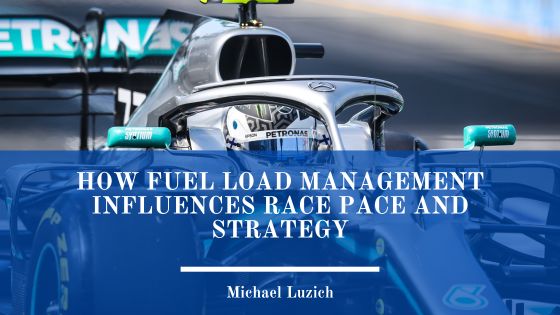
In motorsport, fuel is far more than just the energy source that powers the car. It is a critical performance variable that directly influences race pace, tire wear, handling balance, and overall strategy. Fuel load management refers to how teams calculate, distribute, and utilize fuel throughout a race to optimize performance while ensuring the car completes the required distance. Striking the right balance between carrying enough fuel and minimizing excess weight is a key strategic challenge for race engineers.
Weight and Its Direct Impact on Lap Times
One of the most important factors in fuel load management is weight. A heavier car accelerates more slowly, brakes later, and experiences greater tire degradation. At the start of a race, when fuel loads are at their highest, lap times are typically slower due to the additional mass. As fuel is burned and the car becomes lighter, performance naturally improves, allowing drivers to extract more speed from the same setup.
This weight reduction creates a dynamic where the car’s performance evolves over the course of a race. Engineers must anticipate how this changing fuel load will affect lap times and adjust strategy accordingly.
Balancing Fuel Load and Tire Degradation
Fuel load also interacts closely with tire performance. Heavier fuel loads increase stress on tires, particularly during cornering and braking. This can accelerate tire wear and reduce grip, especially in the early stages of a stint. As fuel decreases, tire performance generally improves, allowing for faster lap times and more consistent handling.
Teams must carefully balance fuel strategies with tire compounds and stint lengths. A more aggressive fuel load may allow fewer pit stops, but it can also increase tire degradation, forcing earlier stops or compromising long-run performance. Conversely, a lighter fuel load may improve pace but require more frequent pit stops, impacting overall race time.
Strategic Flexibility and Race Planning
Fuel load management is a key component of overall race strategy. Engineers use simulations to determine optimal fuel levels for different scenarios, taking into account track characteristics, weather conditions, and expected safety car periods. These simulations help teams decide whether to prioritize early race pace or long-term consistency.
Some strategies involve starting with higher fuel loads to extend initial stints, allowing teams greater flexibility in reacting to race developments. Others focus on lighter fuel loads to maximize early track position, relying on pit strategy to maintain competitiveness. The chosen approach often depends on qualifying position, overtaking difficulty at the circuit, and competitor behavior.
Real-Time Adjustments During the Race
Modern motorsport allows for real-time fuel management adjustments during a race. Drivers receive instructions from engineers to modify engine modes, lift-and-coast techniques, or fuel-saving strategies. These adjustments help ensure that the car finishes the race within the required fuel window while maintaining competitive lap times.
Telemetry data plays a crucial role in monitoring fuel consumption. Engineers continuously analyze fuel burn rates and adjust instructions to the driver to avoid under- or over-consumption scenarios.
Conclusion
Fuel load management is a fundamental aspect of race strategy that influences every phase of competition. By carefully balancing weight, tire performance, and fuel consumption, teams can optimize both speed and efficiency. Effective fuel strategy allows for better tire management, improved adaptability, and stronger overall race execution. In a sport where milliseconds matter, understanding and controlling fuel load is essential to achieving consistent performance and competitive advantage on the track.